Kammzeit
Why appointments get missed
Very few clients stay away because they don't care. Usually there's something mundane behind it:
- Forgotten. The appointment was made six weeks ago and isn't in any calendar.
- Cancelling is a hassle. The salon can't be reached in the evening, the line is busy in the morning, and at some point it feels too late and too awkward.
- Mixed up. Wrong day, wrong time, or they thought the appointment was next week.
- Something came up. A sick child, a traffic jam, a changed shift.
You can do a lot about the first three. You'll never get rid of the fourth entirely, but you can make sure you at least hear about it in time.
Reminders before it's too late
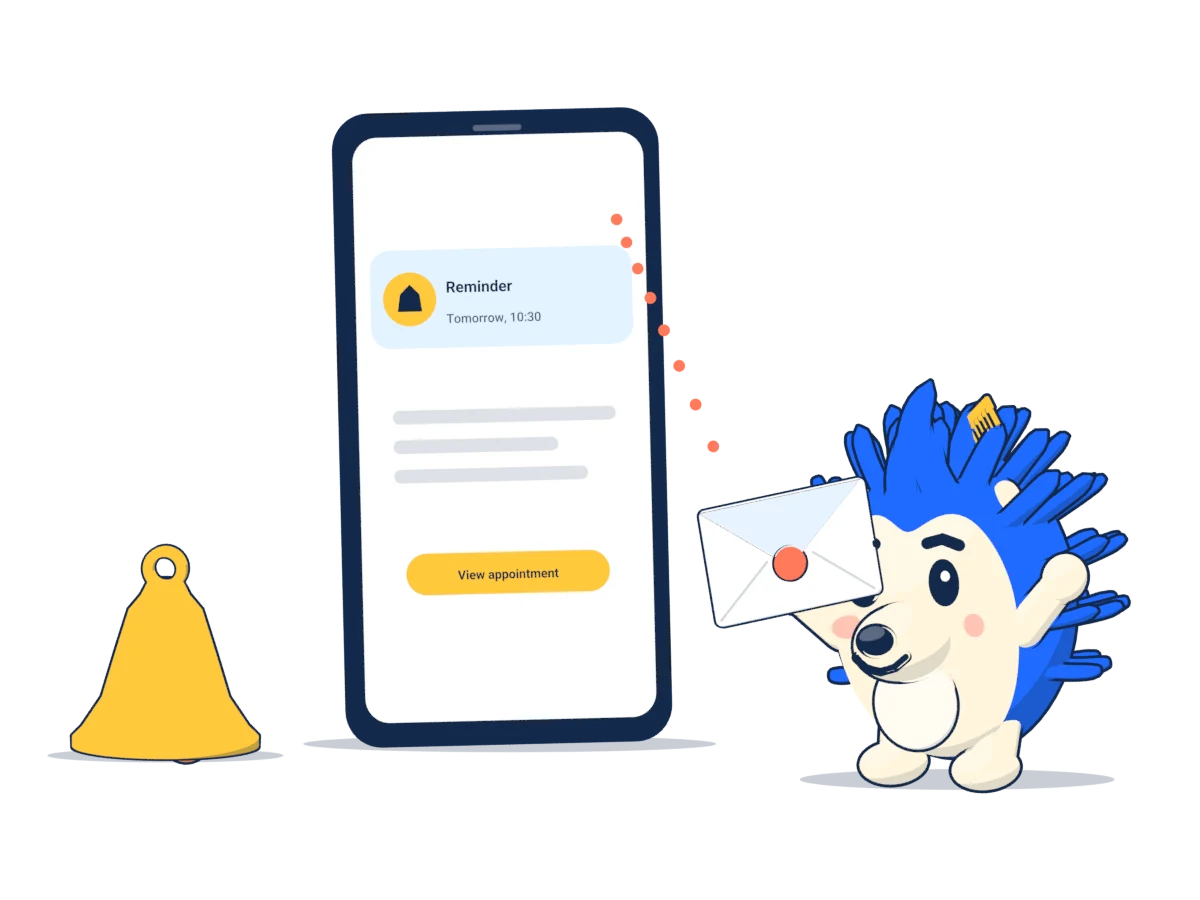
A reminder the day before is the simplest remedy for forgetting. It arrives early enough for the client to cancel and late enough that the appointment is really on their mind.
What matters:
- It contains everything important: date, time, service, address and a link to cancel.
- It's sent automatically. If you have to write each reminder yourself, it gets forgotten on busy days.
- A calendar entry helps too. Anyone who has the appointment in their phone calendar gets a reminder from there as well.
Kammzeit emails the reminder 24 hours before the appointment, and clients can add the appointment to their own calendar straight from the confirmation. Kammzeit doesn't send text messages. For long appointments and clients who rarely read email, a quick call the day before can still make sense.
Make cancelling easy
It sounds contradictory, but it's the most important point: the easier it is to cancel, the fewer people simply don't turn up. A cancellation the day before is annoying; a no-show is worse. With a cancellation you know in advance and can still give the slot to someone else.
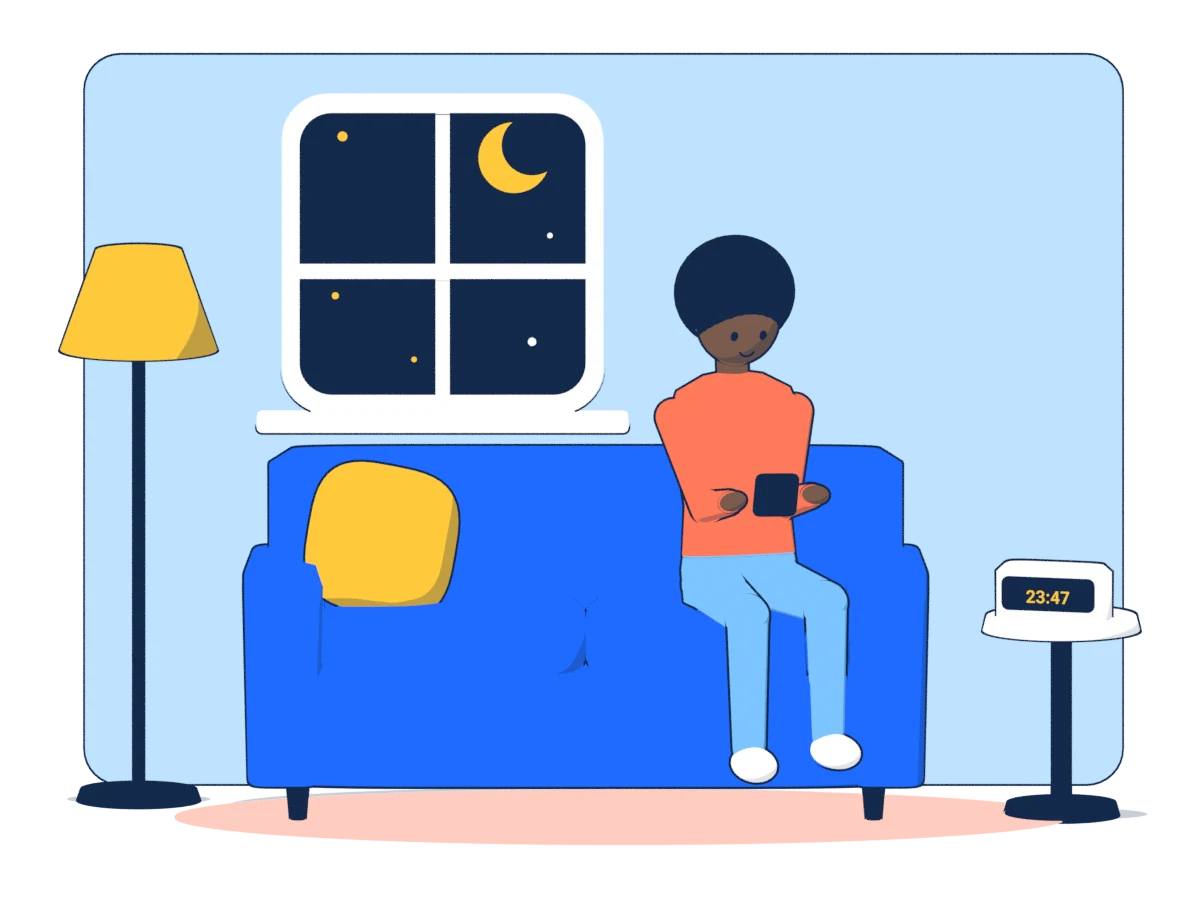
- Let clients cancel without calling. A link in the confirmation and in the reminder is enough. One click and it's done, even at 23:00.
- Don't make people feel guilty. “Please let us know in good time so someone else can have the slot” works better than any threat.
- Keep your phone number visible. Anyone who is too late to cancel online should at least know where to call.
In Kammzeit the salon gets an email for every cancellation, and the time becomes available on the booking page again straight away.
Setting a cancellation deadline and notice
The cancellation deadline decides how late clients can still cancel online. After that, they have to call. This has two advantages: short-notice cancellations reach you personally, and you can ask straight away whether another time would suit.
How long the deadline should be depends on your appointments. For example:
- Short appointments such as men's cuts: a few hours is often enough, because gaps like these are easier to fill.
- Long appointments such as colour or highlights: 24 hours or more, because a free two-hour block on the same day is hard to fill.
Kammzeit has one cancellation deadline per salon, not per service, so choose the value that suits your longer appointments. Once it's set, the deadline is shown below the booking form automatically. If you want to say more, for instance what applies after the deadline, add it to the “About us” text on your booking page. That way the rule is visible before anyone books.
Two more settings help:
- Booking window. If appointments can only be booked a few weeks ahead, there's less time between booking and appointment in which to forget.
- Minimum notice. It prevents bookings five minutes before the start that you would never notice in time.
Repeat no-shows: friendly and clear
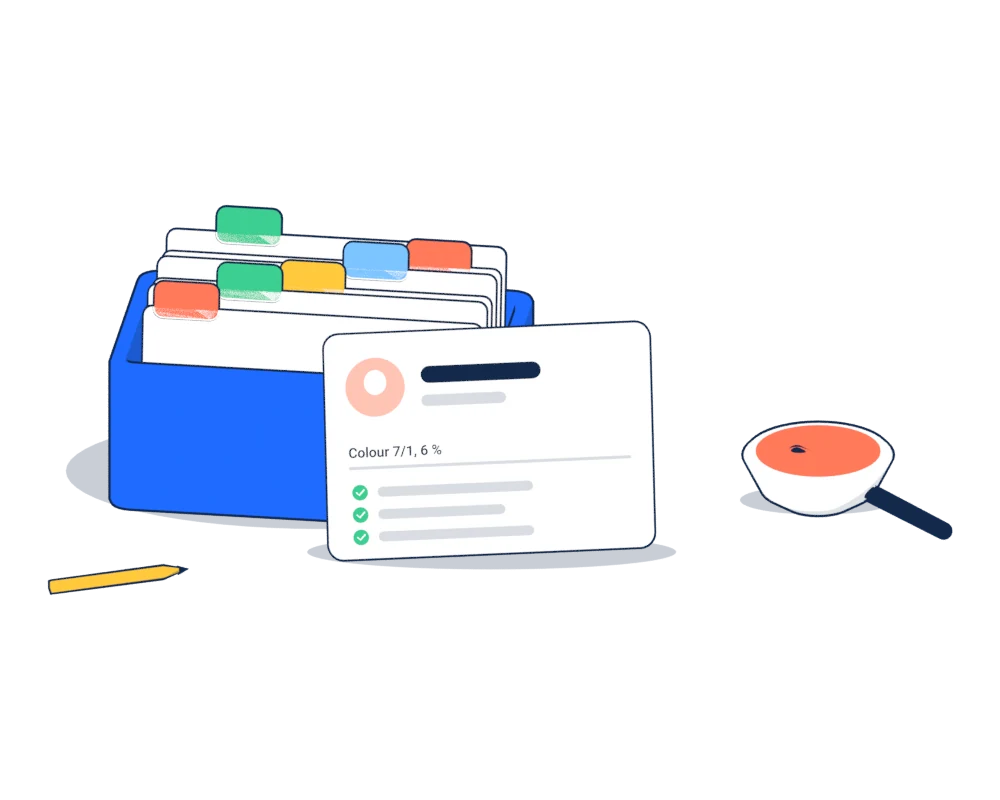
Most missed appointments are one-offs. But if the same person misses an appointment for the third time, you should respond. To notice it at all, mark no-shows consistently. In Kammzeit you set the appointment to “no-show”, and the appointment history on the customer card shows how often it has happened.
One possible approach:
- The first time: do nothing, or ask briefly and kindly whether everything is all right.
- The second time: mention it at the next visit, calmly and without blame: “Your last two appointments didn't happen. Please let me know if you can't make it, then I can give the slot to someone else.”
- After that: only arrange appointments with this person directly, for example at short notice on the day if something is free. Or they come in without an appointment, if you take walk-ins.
Kammzeit doesn't block anyone automatically, and you can't exclude individual people from online booking. A personal conversation is the more effective tool here anyway.
Deposits: effective, but with side effects
People who have already paid something when booking are less likely to simply stay away. But a deposit has downsides too:
- Some clients won't book at all, especially new ones.
- Payment providers charge fees.
- You need clear rules on when a deposit is kept and when you refund it, and then you have to handle those cases.
A deposit makes most sense for long, expensive appointments. For a men's cut it's usually overkill.
Kammzeit does not offer online deposits. For long appointments, you can agree a deposit in person, for example during a consultation in the salon.
No-show fees: only if agreed beforehand
You may be thinking about charging a fee for missed appointments. Whether and how you can do that depends on the contract and consumer law of the country your salon is in, and the rules differ across the EU. One principle applies almost everywhere: a fee only works if it was agreed beforehand, clearly and visibly, before the client books. A sign they never saw, or a rule you only mention after the missed appointment, is not enough.
The amount and the wording matter as well. Consumer law generally doesn't allow unreasonably high flat fees in standard terms, and many countries have their own rules on what a business may charge when a booked service doesn't take place. Whether a particular rule holds up depends on the details.
Note: This section is general information, not legal advice. Before you introduce a no-show fee, have the wording checked by a lawyer or ask your trade association or chamber.
In practice, chasing a regular client for a fee often brings more trouble than money. A clear cancellation rule and an open conversation are often the better way.
Filling gaps again
When an appointment is cancelled, the time is immediately bookable online again in Kammzeit. To make sure someone actually books it:
- Keep a short list of clients who like to come in at short notice, and call them. A note on paper or on your phone is enough.
- Post free slots at short notice as a story, with your booking link.
- If you've switched on Kammzeit's queue for walk-ins (Pro plan), a gap can also go to someone who came in without an appointment and joined the queue with the QR code.
- Don't expect to fill every gap. A cancellation the day before is still better than a no-show.
In short
- A reminder the day before with a cancellation link, sent automatically.
- Cancelling with one click, without a phone call.
- Cancellation deadline, minimum notice and booking window set to suit your appointments.
- No-shows marked, and repeat no-shows addressed in person.
- Deposits and no-show fees only with clear rules agreed in advance.